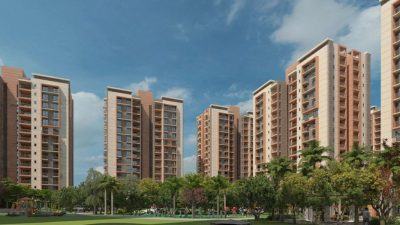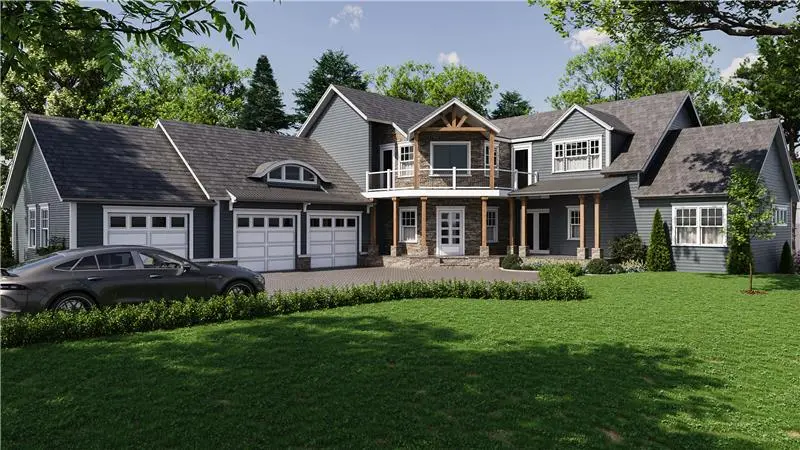
The architectural landscape has shifted dramatically over the last decade. Clients no longer settle for 2D floor plans or rough sketches; they expect immersive, photorealistic experiences before the ground is even broken. For architectural firms, developers, and interior designers, this creates a significant pressure point: delivering high-end visuals without draining internal resources.
As we move through 2026, the technology required to produce top-tier visualizations continues to advance, becoming both more powerful and more complex. For many firms, maintaining an in-house team capable of utilizing these tools is no longer the most strategic option. This is where offshore architectural 3D rendering services have transformed from a simple cost-saving measure into a vital competitive advantage.
Outsourcing 3D visualization allows firms to leverage global talent pools, cutting-edge technology, and 24-hour production cycles. It bridges the gap between conceptual design and client approval, often faster and with higher fidelity than what can be achieved internally. Here is why hiring offshore rendering services is becoming the standard for successful architectural practices in 2026.
1. Unlocking Significant Offshore Architectural 3D Rendering Cost-Effectiveness
The most immediate benefit of offshoring is financial, but it goes deeper than simply comparing hourly wages. Maintaining an in-house 3D visualization team represents a massive overhead that can weigh down a firm’s profitability.
Reducing Infrastructure and Overhead
High-quality rendering requires expensive infrastructure. To produce competitive visuals, firms need high-performance workstations with top-tier graphics cards (GPUs), substantial RAM, and specialized cooling systems. On top of hardware, there are recurring costs for software licenses—programs like 3ds Max, V-Ray, Lumion, and Unreal Engine come with steep commercial subscription fees.
By partnering with an offshore service, you eliminate these capital expenditures. The external agency absorbs the cost of hardware upgrades and software licensing, allowing your firm to convert fixed overhead costs into variable project expenses.
Eliminating Training and Benefits Costs
Hiring full-time 3D artists involves recruitment fees, salaries, health benefits, and paid time off. Furthermore, because rendering software updates frequently, staff require continuous training to stay current. Offshore Architectural 3D Rendering providers handle all personnel management and training, ensuring you pay only for the final deliverable, not the downtime or development of the staff producing it.
2. Access to Specialized Expertise and Technology
Architecture and 3D visualization are distinct disciplines. While many architects are capable of modeling, professional 3D artists specialize exclusively in lighting, texturing, composition, and post-production.
Tapping into a Global Talent Pool
Offshore rendering firms are often hubs for specialized artistic talent. These professionals spend their entire workweek refining their craft. They understand the nuances of photorealism—how light hits a specific fabric, how vegetation looks in different seasons, and how to frame a shot to evoke an emotional response. Accessing this level of niche expertise locally can be difficult and expensive, especially for smaller firms competing for the same limited talent pool.
Utilizing Cutting-Edge Software
In 2026, the standard for rendering includes real-time rendering, VR walkthroughs, and AI-assisted workflows. Offshore Architectural 3D Rendering agencies generally adopt these technologies faster than standard architectural firms because their entire business model depends on visual quality. When you outsource, you gain immediate access to the capabilities of the latest tech stack without having to learn it yourself.
3. Scalability and Flexibility on Demand
The architecture and construction industry is notoriously cyclical. Firms often face “feast or famine” workloads, where a quiet month is followed by three deadline-heavy competitions running simultaneously.
Managing Workload Fluctuations
If you rely solely on an in-house team, you face a dilemma during peak times: you either overwork your staff, leading to burnout and errors, or you turn down work. Conversely, during slow periods, you are still paying salaries for underutilized employees.
Offshore Architectural 3D Rendering offer perfect elasticity. You can scale up a team to handle twenty 4K renderings for a massive mixed-use development in a week, and then scale back down to zero once the project is submitted. This flexibility allows firms to bid on larger projects without the fear of being understaffed.
4. The Time Zone Advantage: The 24-Hour Office
Speed is a currency in the design world. Deadlines for competitions and client presentations are often immovable. Offshore teams located in different time zones—such as those in Asia or Eastern Europe relative to the US—enable a continuous production cycle often referred to as the “follow the sun” model.
Accelerating Project Turnaround
Imagine a scenario where your design team in New York finishes work at 6:00 PM. They upload the latest models and markups to an Offshore Architectural 3D Rendering team in a time zone 10 to 12 hours ahead. While your local team sleeps, the Offshore Architectural 3D Rendering artists are working a full day to process renders, apply textures, and set up lighting.
By the time your team arrives at the office the next morning, the drafts are ready for review. This workflow effectively doubles the productive hours in a day, significantly compressing project timelines and allowing for faster iterations before a final deadline.
5. Focusing on Core Competencies
The primary value of an architectural firm lies in design, problem-solving, and client management. While visualization is a crucial communication tool, the hours spent tweaking reflection settings or waiting for a progress bar to load are hours not spent designing.
Improving Design Efficiency
When architects are forced to double as 3D artists, it creates an opportunity cost. Every hour a senior architect spends rendering is an hour taken away from code analysis, design development, or client coordination.
Outsourcing allows your internal team to focus on what they do best: creating great architecture. By offloading the labor-intensive production of visuals, your team stays fresh and focused on the intellectual and creative aspects of the project, knowing that the presentation material is being handled by experts.
The Future of Architectural Visualization
As we navigate 2026, the integration of global teams into local workflows has become seamless. With cloud-based collaboration tools, real-time feedback loops, and high-speed data transfer, the geographical distance between an architect and their renderer has never mattered less.
Hiring Offshore Architectural 3D Rendering offers a strategic path to higher quality visuals, lower operational costs, and faster delivery times. For firms looking to stay agile and competitive in a visually demanding market, looking beyond their own borders for visualization support is no longer just an option—it is a necessity.