Patient trust is the foundation of every successful clinic and hospital. Without trust, patients hesitate to return, follow medical advice, or recommend healthcare services to others. In today’s digital healthcare environment, trust is no longer built only through face-to-face interaction. CRM For Clinics And Hospitals plays a key role in creating trust through consistent communication, organized systems, transparency, and reliable patient experiences.
This is where CRM For Clinics And Hospitals plays a vital role. A well-designed CRM system helps healthcare providers manage patient relationships in a structured and professional way. It ensures patients feel heard, valued, and cared for at every step of their journey. Over time, this leads to strong relationships and long-term trust.
Understanding Patient Trust in Healthcare
Patient trust means patients believe that a clinic or hospital will provide safe, ethical, and quality care. Trust grows when patients experience smooth appointments, clear communication, privacy protection, and timely follow-ups.
In modern healthcare, patients expect more than just treatment. They want reminders, quick responses, clear records, and personal attention. A well-implemented CRM For Clinics And Hospitals ensures these expectations are met consistently, helping trust develop naturally over time.
Managing all this manually becomes difficult as patient numbers grow. This is why clinics and hospitals rely on CRM For Clinics And Hospitals to handle patient relationships efficiently.
What Is CRM For Clinics And Hospitals
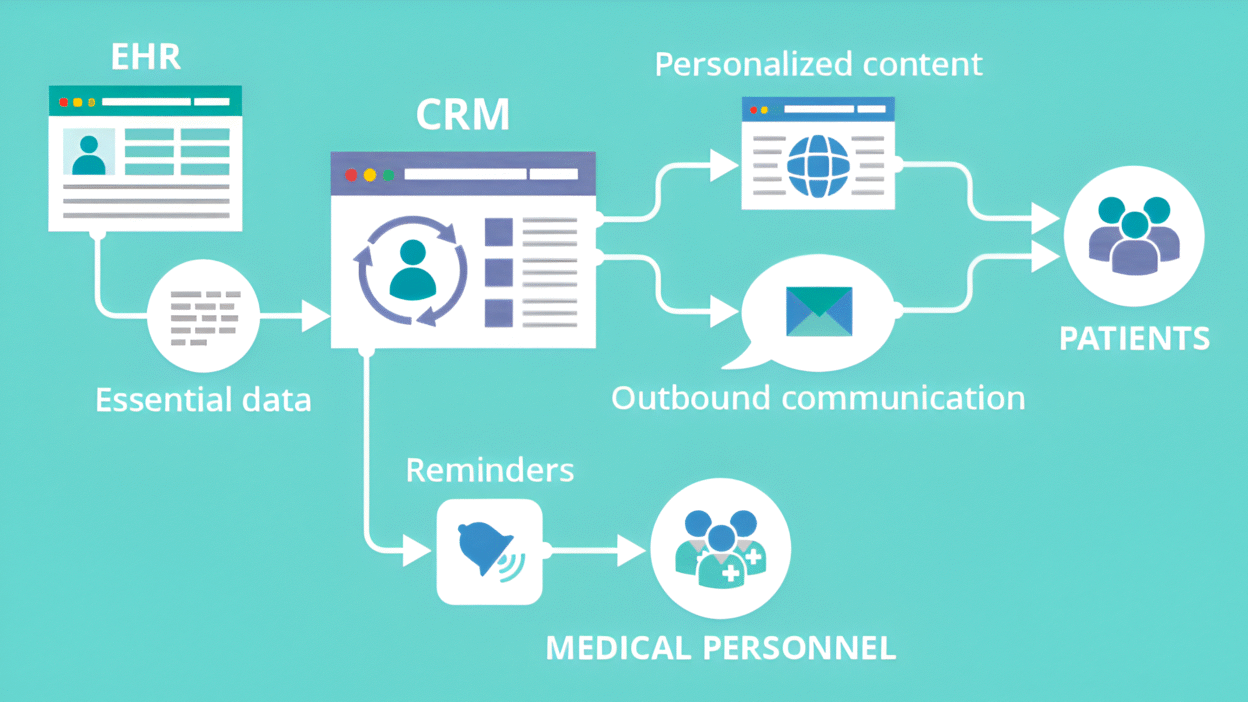
It is a digital system designed to manage patient information, communication, appointments, and interactions in one place. A CRM For Clinics And Hospitals helps healthcare staff stay organized and informed while delivering personalized care to every patient.
Instead of scattered files, missed calls, or forgotten follow-ups, a CRM For Clinics And Hospitals ensures every patient interaction is recorded and tracked. This organized approach makes healthcare services more reliable and professional.
Clear and Consistent Communication Builds Confidence
One of the biggest reasons patients lose trust is poor communication. Missed appointment reminders, unclear instructions, or delayed responses create frustration.
CRM For Clinics And Hospitals improves communication by keeping patient contact details updated and automating reminders. Patients receive timely messages about appointments, test results, follow-ups, and health tips.
When patients feel informed and updated, they feel respected. Clear communication reduces confusion and shows that the healthcare provider values their time and health.
Personalized Care Makes Patients Feel Valued
Patients trust clinics and hospitals that treat them as individuals, not just case numbers. Remembering patient history, preferences, and previous interactions creates a sense of personal care.
With CRM For Clinics And Hospitals, doctors and staff can quickly access patient records, visit history, and communication logs. This allows them to address patients by name, understand their concerns better, and provide relevant guidance.
Personalized care creates emotional connection. When patients feel understood, they are more likely to trust the healthcare provider long-term.
Reliable Appointment Management Reduces Stress
Long waiting times and appointment confusion damage patient trust. Patients expect smooth scheduling and timely service.
It helps manage appointments efficiently by reducing double bookings, sending timely reminders, and informing patients about any schedule changes. Staff can easily view schedules and plan their day more effectively.
When patients experience organized appointment handling, they feel confident that the clinic or hospital respects their time. This reliability strengthens trust over repeated visits.
Secure Patient Data Builds Confidence
Healthcare data privacy is a serious concern. Patients want assurance that their personal and medical information is safe.
CRM For Clinics And Hospitals stores patient data securely and restricts access to authorized staff only. Digital records reduce the risk of lost files or unauthorized access.
When clinics and hospitals maintain data security and confidentiality, patients feel safe sharing sensitive information. This sense of security plays a major role in building long-term trust.
Faster Response Improves Patient Satisfaction
Delayed responses to patient queries can lead to frustration, anxiety, and overall dissatisfaction. Patients often have urgent questions regarding their appointments, medical reports, or treatment instructions. When these queries are not addressed promptly, it can negatively impact their trust and confidence in the clinic or hospital. Timely communication is therefore critical in building and maintaining strong patient relationships.
A modern CRM For Clinics And Hospitals plays a crucial role in addressing this challenge. By organizing patient requests, tracking communication history, and providing a centralized system for all interactions, staff can respond quickly and efficiently. No message, call, or email is missed, ensuring patients receive timely updates and guidance.
Providing fast, accurate, and consistent responses reassures patients that their concerns are taken seriously. Over time, this responsiveness not only improves patient satisfaction but also strengthens trust, loyalty, and long-term relationships between patients and healthcare providers.
Better Follow-Ups Show Genuine Care
Follow-up care plays a crucial role in building strong patient relationships in healthcare. Patients feel valued and supported when clinics or hospitals actively monitor their recovery, provide guidance, or send reminders about ongoing treatments. Consistent follow-ups not only improve health outcomes but also show that the healthcare provider genuinely cares about the patient beyond the initial visit.
A modern CRM For Clinics And Hospitals makes managing follow-up care seamless and reliable. Automated reminders can notify patients about medications, upcoming check-ups, or important test schedules, ensuring that nothing is missed. Staff can track patient progress efficiently and provide timely assistance whenever needed.
These small but significant actions create a sense of reassurance and demonstrate personalized attention. When patients experience such thoughtful care even after leaving the clinic, CRM For Clinics And Hospitals ensures consistent follow-ups that strengthen their confidence and loyalty. Over time, these regular interactions foster lasting trust between patients and healthcare providers, contributing to long-term relationships and better overall satisfaction.
Transparency Improves Long-Term Relationships
Patients are more likely to trust healthcare providers who are open and transparent about procedures, schedules, and communication. Transparency in healthcare means that patients are fully informed about every step of their treatment, from appointments and tests to follow-ups and care plans. When clinics and hospitals maintain clear records of patient interactions, treatment timelines, and communication history, it becomes easier to track progress, address concerns, and prevent misunderstandings.
A transparent system also ensures that patients know exactly what to expect, reducing anxiety and building confidence in the care they receive. Organized processes help staff provide accurate information, avoid errors, and respond quickly to patient queries. When patients experience this level of clarity and consistency, they feel valued and respected. Over time, transparency combined with reliable care strengthens the relationship between patients and healthcare providers, fostering trust and encouraging long-term loyalty.
Better Team Coordination Improves Patient Experience
A patient interacts with multiple staff members during a visit. Poor coordination can lead to repeated questions, delays, and confusion.
A CRM For Clinics And Hospitals allows all departments to access the same patient information. Doctors, nurses, and administrative staff stay aligned, ensuring smooth internal coordination. This leads to a better patient experience, and when patients see teamwork and efficiency, their trust in the healthcare organization naturally increases.
Building Trust Takes Time and Consistency
Patient trust is not something that develops in a single visit. It is built gradually through repeated positive experiences, where every interaction reinforces the patient’s confidence in the clinic or hospital. Consistency in service, clear communication, and attentive care are essential components that help patients feel valued and respected. When patients experience a reliable and organized approach to their healthcare needs, they are more likely to return and engage with the facility over the long term.
A modern CRM For Clinics And Hospitals plays a vital role in maintaining this consistency. By standardizing processes, reducing human errors, and keeping detailed records of patient interactions, it ensures that every patient receives equal attention and personalized care. Over time, this dependable approach fosters strong relationships, turning first-time visitors into loyal patients who not only return for future care but also recommend the clinic or hospital to others, strengthening its reputation and trustworthiness in the community.
Role of Technology in Modern Healthcare Trust
Technology has changed how patients choose healthcare providers. Online reviews, digital communication, and quick service matter more than ever.
A modern CRM For Clinics And Hospitals helps clinics and hospitals meet these expectations. It creates a professional image and improves patient satisfaction.
Trusted healthcare organizations are those that adapt to patient needs while maintaining personal care. This system helps clinics and hospitals maintain the right balance between technology and personal patient care.
Choosing the Right CRM Matters
Not all CRM systems are created equal, especially when it comes to healthcare. A standard CRM may help with basic record-keeping, but a healthcare-focused system is designed specifically to understand patient workflows, appointment management, compliance requirements, and the unique communication needs of clinics and hospitals. It ensures that patient information is handled securely, staff can coordinate effectively, and processes remain smooth and error-free.
Solutions like Hosval are built with healthcare-specific needs in mind. CRM For Clinics And Hospitals helps clinics and hospitals manage patient relationships efficiently, track appointments and treatment history, and maintain secure communication channels. With such a system, every interaction becomes organized and professional, allowing staff to focus more on patient care rather than administrative tasks.
Choosing the right CRM not only improves operational efficiency but also enhances patient engagement, fosters trust, and ensures long-term benefits for both patients and healthcare providers.
Final Thoughts
It helps healthcare providers communicate clearly, deliver personalized care, manage appointments efficiently, and protect patient data. Together, these factors build patient confidence and long-term loyalty.
By using CRM For Clinics And Hospitals consistently, healthcare organizations can move beyond basic treatment and offer a reliable, caring, and professional patient experience.
Healthcare providers using Hosval can streamline operations while focusing on what matters most—patient trust and quality care.
If you want to improve patient relationships, reduce communication gaps, and build long-term trust, it’s time to adopt a reliable CRM system.
Choose a smart CRM solution today and create a healthcare experience your patients can trust for years to come.