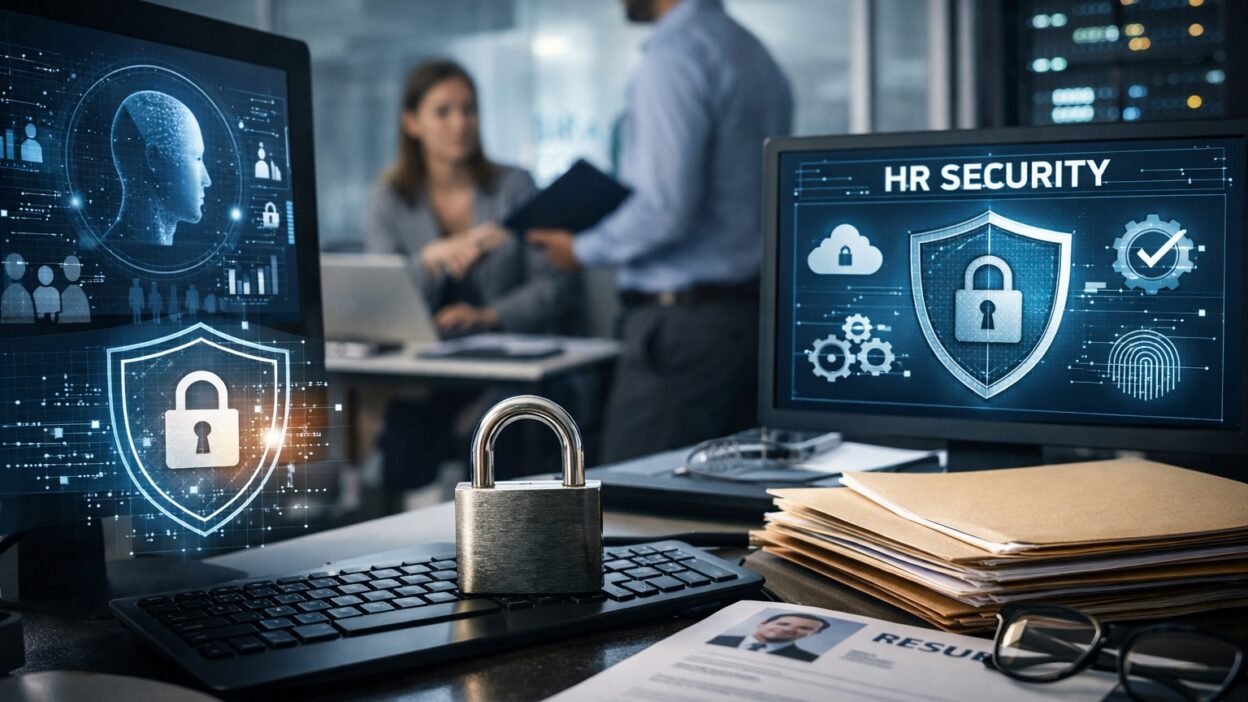
Artificial intelligence is quickly becoming the invisible teammate that helps HR professionals work smarter. From screening resumes to predicting employee turnover, AI tools are changing how companies find and keep their best people. But as with any technology that touches personal information, the question of safety comes up almost immediately: How secure is AI Implementation in HR, really? , When sensitive data like salaries, performance reviews, and personal details are involved, one slip could mean serious trouble. That’s why it’s crucial to look at how secure these systems truly are
and what companies can do to keep them safe when using AI in HR.
When Data Becomes the New Gold Mine,AI Implementation in HR
In today’s digital world, employee data is one of the most valuable assets a company holds. Every time someone applies for a job, fills out an evaluation form, or logs hours in a time-tracking app, a trail of data is created. AI systems use this information to learn patterns and make decisions faster than any human ever could.
But here’s the flip side: the more data AI systems have, the more tempting they become to hackers. A single breach could expose social security numbers, financial records, or even private health details. This risk makes it essential for HR teams to ensure their AI tools are not just efficient but also guarded like a digital fortress.
To build that kind of protection, companies often use encryption, secure access control, and strict privacy protocols. Yet even with these defenses, the human element simple mistakes like sharing passwords or clicking on suspicious links can still be the weakest link in the security chain.
Balancing Efficiency and Privacy
The biggest challenge isn’t just keeping data safe it’s doing so without slowing down the efficiency that AI brings. Many HR systems rely on cloud platforms, which makes access easier but also increases potential exposure. To handle this safely, businesses need to find the perfect balance between convenience and caution.
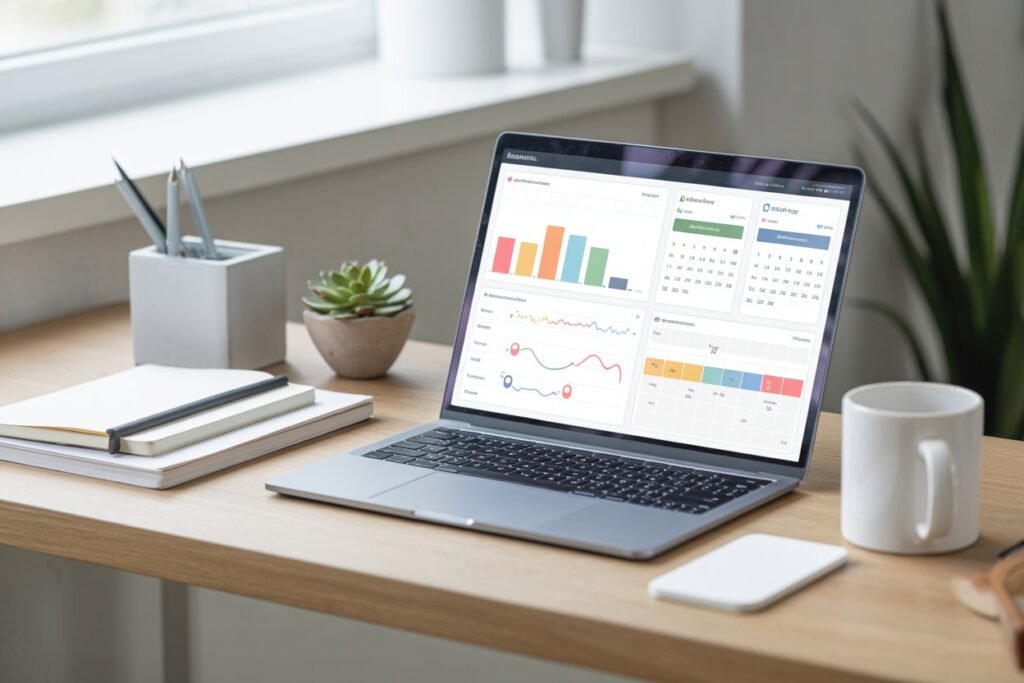
This is where machine learning in recruitment becomes a prime example. These algorithms can quickly spot the most suitable candidates, but they also process personal details that must be protected from misuse. Companies must ensure that their AI models are not only fair and unbiased but also compliant with data protection laws such as GDPR or CCPA.
Empowrd AI, for instance, focuses on building systems that keep both productivity and privacy in harmony. The idea isn’t just to automate HR work it’s to create a trustworthy digital environment where employees feel confident that their personal information is handled with care.
Table: Common AI Security Risks in HR and How to Tackle Them
| Risk Type | What It Means | Possible Consequences | Prevention Method |
| Data Breach | Unauthorized access to sensitive HR data | Loss of trust, legal penalties, financial loss | Encrypt data, use access control |
| Biased Algorithms | AI decisions skewed by unbalanced training data | Unfair hiring or promotion outcomes | Audit datasets, ensure diversity in data sources |
| Insider Threats | Employees misusing system access | Confidential data leaks | Role-based permissions, monitoring user activity |
| Weak Authentication | Poor password policies or outdated login systems | Unauthorized access to HR systems | Use multi-factor authentication |
| Poor Vendor Management | Third-party tools with weak security practices | Exposure of employee information | Vet all vendors, sign strict security agreements |
Why Security Should Come Before Innovation, AI Implementation in HR
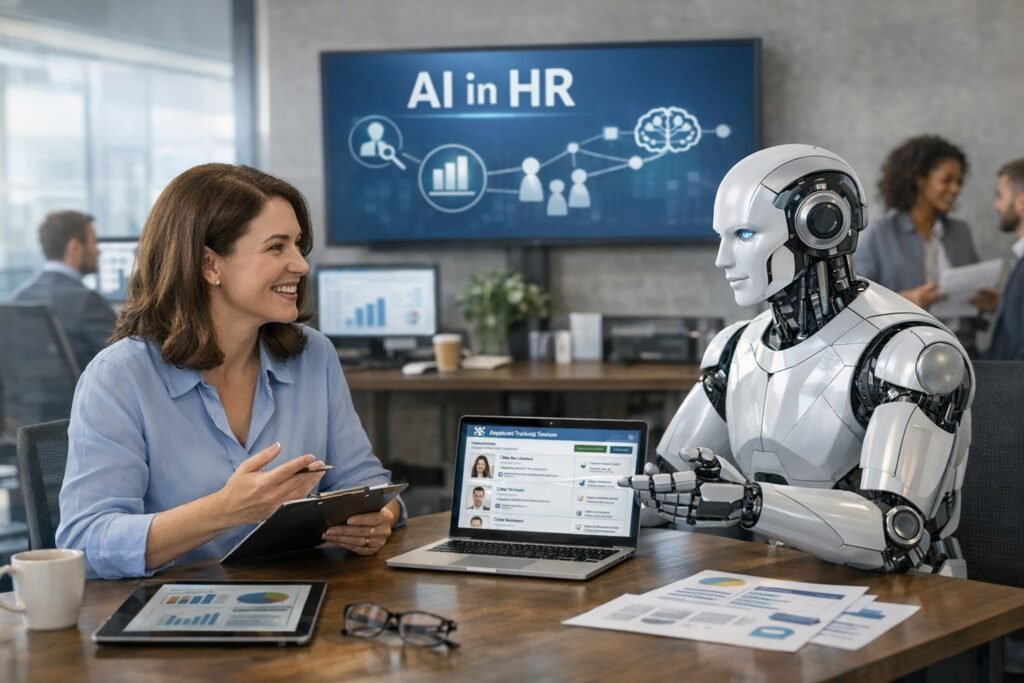
It’s tempting for companies to dive headfirst into the newest AI trend, hoping it will make HR work faster and easier. But rushing without a solid security plan can backfire badly. The more automated your HR processes become, the more potential entry points there are for cyberattacks.
The best strategy is to treat AI security as a core part of innovation, not an afterthought. This means setting up firewalls, updating systems regularly, and having clear data-handling policies that every employee understands. Training HR staff on data privacy and cybersecurity is just as important as training them to use the AI system itself.
“Technology doesn’t create trust people do.”
That line captures the heart of secure AI: no matter how advanced the system, it’s still humans who must design, monitor, and protect it responsibly.
FAQs About AI Security in HR, AI Implementation in HR
1. Can AI tools in HR systems be hacked?
Yes, like any digital system, AI-driven HR platforms can be hacked if not properly secured. Using strong encryption, authentication layers, and regular security audits can help minimize this risk.
2. How can companies make sure AI doesn’t misuse personal information?
Transparency and compliance are key. HR departments should clearly explain how employee data is used and follow strict privacy laws. Regular checks and ethical guidelines also help ensure AI stays on the right track.
3. Are cloud-based HR systems less secure than local ones?
Not necessarily. Cloud systems can be very secure if managed by reputable providers. The real issue is how well access permissions, encryption, and data-sharing settings are configured.
4. What role do employees play in keeping AI secure?
A huge one. Employees should be trained to recognize phishing attempts, protect passwords, and understand how their data is used. Human awareness is often the first defense against digital threats.
Conclusion: Security Is the Heart of Smart HR
AI is transforming human resources from an administrative task into a data-driven powerhouse. It’s helping companies make faster decisions, improve employee satisfaction, and predict workforce trends. But these benefits only matter if the systems running them are secure.
Building a secure AI-powered HR system isn’t about fear it’s about responsibility. Businesses that invest in transparency, compliance, and strong cybersecurity send a clear message: technology is here to help people, not to put them at risk.
By putting security first, organizations also build trust with their employees something no algorithm can replace. When people know their personal data is protected, they’re more open to innovation and more confident in digital HR tools. This trust creates a healthier workplace culture, where AI is seen as a supportive partner rather than a hidden risk, allowing both technology and people to thrive together.
At the end of the day, the goal is simple use AI to empower humans, not expose them. And that’s exactly what companies like Empowrd AI are striving to achieve: a safer, smarter, and more human future for work.
Read More: AI Client Acquisition System