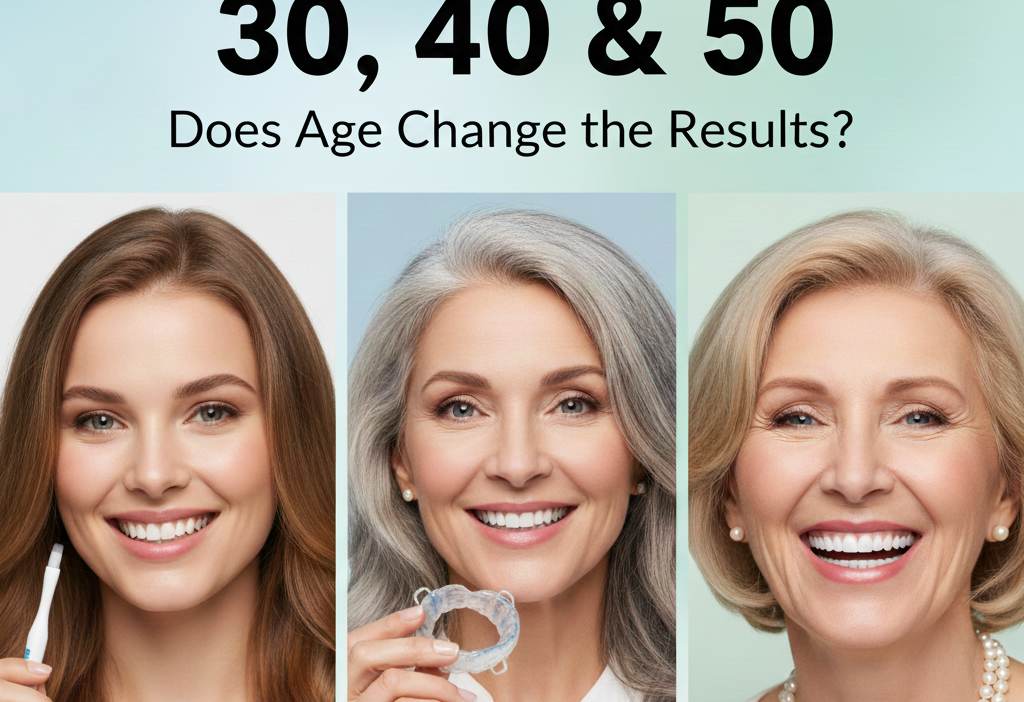
Teeth whitening is one of the most requested cosmetic dental treatments in London. As people become more conscious of their appearance and professional image, many start asking the same question: does teeth whitening work the same way as we get older?
If you are in your 30s, 40s, or 50s and considering teeth whitening in London, the short answer is yes — it can still work extremely well. However, age does influence how teeth respond to whitening, how long results last, and which approach is most effective.
This guide explains how age affects tooth colour, what results you can realistically expect at different life stages, and how a professional tooth whitening London clinic can tailor treatment to suit you.
Why Teeth Naturally Darken With Age
To understand whitening results, it helps to know why teeth change colour over time.
Teeth are made up of enamel on the outside and dentine underneath. Enamel is naturally translucent, while dentine has a yellowish tone. As we age, enamel gradually thins due to everyday wear from chewing, brushing, and acidic foods. When enamel becomes thinner, the dentine underneath shows through more clearly, making teeth appear darker.
At the same time, lifestyle factors such as coffee, tea, red wine, smoking, and certain medications cause stains to build up year after year. This combination of internal ageing and external staining explains why teeth often look noticeably darker after 30, 40, or 50.
Teeth Whitening After 30: What Results Can You Expect?
Your 30s are often the ideal time for teeth whitening. Enamel is usually still in good condition, and most discolouration comes from surface stains rather than deeper internal changes.
Professional teeth whitening in London at this age can produce dramatic and fast results. Many patients notice their teeth becoming several shades whiter within a short period.
People in their 30s often choose whitening because of career growth, weddings, social confidence, or simply wanting to refresh their appearance. Results tend to last longer when combined with good oral hygiene and occasional top-ups from a trusted tooth whitening London clinic.
Teeth Whitening After 40: Is It Still Effective?
Yes, teeth whitening after 40 is absolutely effective, but expectations need to be realistic.
By this age, enamel thinning becomes more noticeable, and stains may be both external and internal. Whitening can still significantly improve brightness, but results may be slightly more gradual compared to younger patients.
Many patients in their 40s worry about sensitivity. This is why professional teeth whitening in London is strongly recommended over over-the-counter kits. A dental clinic can adjust the strength of whitening agents, protect the gums, and manage sensitivity carefully.
At this stage, whitening is often combined with lifestyle advice or maintenance plans to help results last longer.
Teeth Whitening After 50: What Changes?
Teeth whitening after 50 can still deliver impressive results, but treatment planning becomes more important.
At this stage, teeth may have deeper intrinsic stains caused by ageing, medications, or previous dental treatments. While whitening can brighten teeth noticeably, it may not create a “paper-white” result for everyone.
A professional tooth whitening London clinic will first assess existing restorations such as crowns, veneers, or fillings. These do not respond to whitening and may need to be matched or replaced if a uniform colour is desired.
Many patients over 50 choose whitening not to chase an artificial look, but to achieve a fresher, healthier, and more youthful smile.
Does Age Affect How Long Whitening Results Last?
Age does influence longevity, but lifestyle plays a bigger role.
Younger patients often maintain results longer because enamel is thicker and more resistant to staining. As we age, teeth may absorb stains more quickly, especially if coffee, wine, or smoking habits are involved.
That said, patients of any age can enjoy long-lasting results with professional teeth whitening in London combined with regular hygiene visits and sensible maintenance.
Why Professional Teeth Whitening Works Better at Any Age
Many people try home whitening kits before seeking professional care and are disappointed with the results. This is especially common in patients over 40.
Professional teeth whitening in London works better because it is customised. Dentists assess enamel health, tooth sensitivity, and the type of staining before choosing the right approach. This personalised planning is particularly important as teeth age.
A reputable tooth whitening London clinic also ensures safety. Gums are protected, whitening strength is controlled, and results are even and natural-looking.
Is Teeth Whitening Safe for Older Teeth?
When carried out professionally, teeth whitening is safe at any age.
Sensitivity is usually mild and temporary. A dentist can recommend desensitising products, spacing treatments appropriately, and adjusting techniques to protect enamel.
This is why dental supervision matters, especially for patients in their 40s and 50s who may already have dental restorations or mild enamel wear.
Can Teeth Whitening Improve Confidence at Any Age?
Absolutely. Many London patients say whitening made them smile more, feel younger, and look healthier.
Teeth whitening is often described as one of the simplest cosmetic treatments with the biggest emotional impact. A brighter smile can change how people feel about themselves at work, in photos, and socially.
Age should never be a reason to avoid improving your smile.
Choosing the Right Teeth Whitening Clinic in London
Not all whitening treatments are the same. The experience and approach of the clinic make a major difference, especially for mature teeth.
A professional tooth whitening London clinic will take time to understand your concerns, explain realistic outcomes, and recommend the safest option for your age and dental condition.
Patients considering teeth whitening in London should always look for clinics that prioritise assessment, custom planning, and long-term oral health.
Is Teeth Whitening Worth It After 30, 40 or 50?
For most people, the answer is yes.
While age changes how teeth respond, it does not stop whitening from being effective. With the right approach, professional teeth whitening can refresh your smile at any stage of life.
The key is choosing a clinic that understands how ageing teeth behave and can adapt treatment accordingly.
Thinking About Teeth Whitening in London?
If you are considering teeth whitening in London and wondering how age may affect your results, a professional consultation is the best first step. An experienced dental team can assess your teeth, discuss expectations, and recommend a whitening plan designed specifically for you.
A brighter, healthier-looking smile is possible at any age — when it’s done properly and professionally.